

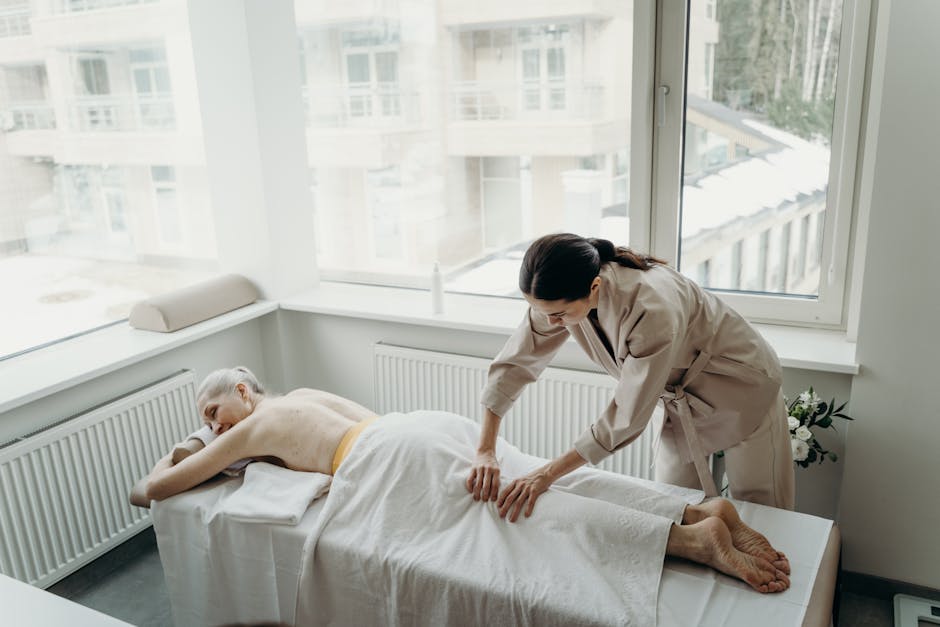
Key Takeaways
- Mobile massage can be a safe, relaxing choice during a Waikoloa stay when a client books a licensed, insured therapist through a verified business rather than an anonymous listing
- Certain health conditions, including deep vein thrombosis, uncontrolled high blood pressure, severe osteoporosis, and recent fractures, may call for a doctor’s clearance before scheduling a session
- A proper health intake covers injuries, allergies, focus areas, and pressure preference, and a client can undress only to a comfortable level and speak up at any point during the massage
- Preparing a clean, quiet area with room for a massage table helps a therapist set up efficiently once they arrive
- Knowing what happens from arrival to wrap-up can make the first few minutes of an in-room session feel far less unfamiliar
Inviting a massage therapist into a hotel room or vacation rental can feel like a big leap of trust, especially for a first-time visitor to Waikoloa. The good news is that mobile massage follows many of the same safety standards as a visit to a spa, as long as a few key steps happen before the therapist ever knocks on the door. This guide walks through how to vet a therapist, what health conditions deserve a quick conversation with a doctor, and what to expect once the session begins.
Experts at Tiare Room Service Massage serving the Waikoloa area emphasize that choosing a qualified therapist is essential to a safe and comfortable in-room experience. The team recommends verifying credentials, communicating any health concerns, and preparing a suitable space before the appointment.
Yes – With the Right Precautions
Massage therapy is generally considered safe for healthy adults when performed by a trained professional, though people with certain medical conditions or special circumstances may need to adjust or skip particular techniques. Rare but serious complications have been reported, which is exactly why the vetting steps in this guide matter. The risk profile for mobile massage is similar to an in-spa appointment; the environment changes, not the training or technique.
Most of the safety equation comes down to two things: who shows up and how prepared the room is. A licensed therapist carrying proper insurance, paired with a client who shares accurate health information and sets clear boundaries, creates the same safe conditions a treatment room would offer.
Choosing a Trustworthy Therapist
Finding the right therapist is the single biggest factor in a safe, enjoyable mobile massage experience. A little bit of research before booking goes a long way toward avoiding an awkward or unsafe situation.
Book Through a Verified Business
Booking through a reputable agency, an established platform, or a verified local business is safer than responding to an anonymous online listing. A real business has a track record, a way to be contacted after the appointment, and a reputation to protect, all of which give a client recourse if something feels off. Anonymous listings offer none of those safeguards, so a quick search for the business name, address, and reviews is worth doing before confirming a time slot.
Check Training, Certification & Insurance
A qualified therapist should be able to confirm training, certification, and liability insurance without hesitation. In states that regulate massage therapy, therapists typically need a license that requires completing an approved training program and passing an examination, so asking about licensing status is a fair and expected question. Liability insurance matters too, since it protects both the client and the therapist if something unexpected happens during a session. A therapist who answers these questions directly and calmly is usually a strong sign of professionalism.
Confirm Pricing, Linens & Sanitation
Clear pricing and policies prevent surprises after the massage is already finished. Before booking, it helps to confirm the rate, any cancellation policy, and whether additional fees apply for add-ons or extended sessions. It is also reasonable to ask about linens and sanitation practices, since a therapist should be using clean sheets for every client and following sound hygiene standards for tables, tools, and oils. A business that answers these questions upfront, rather than acting evasive, tends to be one that takes professionalism seriously.
Health Conditions to Discuss First
Massage is safe for most people, but a short conversation about health history before booking can prevent discomfort or, in rare cases, something more serious. Being upfront about medications, injuries, and conditions is one of the simplest ways to make a session both safe and effective.
Conditions That May Need a Doctor’s Clearance
A handful of health conditions call for a conversation with a healthcare provider before scheduling a massage. These include:
- Deep vein thrombosis (DVT)
- Uncontrolled high blood pressure
- Severe osteoporosis
- Recent fractures
Beyond this list, people with bleeding disorders, low platelet counts, or those taking blood-thinning medication should avoid vigorous massage unless a healthcare professional says otherwise. Massage should also not be applied directly over blood clots, open or healing wounds, skin infections, or a recent surgical site. Anyone with a fever, dizziness, a recent accident, a rash, or severe sunburn is generally better off waiting until the condition has settled down before booking.
What a Proper Health Intake Looks Like
A professional therapist should ask about health history, injuries, allergies, areas that need focus, and preferred pressure before ever picking up a bottle of oil. This conversation is how a therapist decides which techniques are appropriate and which areas to avoid entirely.
Anyone unsure whether a chronic or temporary condition makes massage appropriate should check with a primary healthcare provider. Clients with an allergy to massage oils, creams, or the cleansers used on linens and tables can ask about alternate products or bring their own, which a respectful therapist should be glad to accommodate.
Consent & Boundaries During Your Session
A professional massage session runs on clear communication from start to finish. Comfort and consent continue throughout the entire appointment rather than acting as a one-time checkbox.
Undressing to Your Comfort Level
Clients can undress only to whatever level feels comfortable, and a professional therapist will use proper draping to protect privacy and maintain clear physical boundaries throughout the session. There is no requirement to remove more clothing than feels right, and a therapist should explain which areas will be treated and how draping will work before the massage begins. This same standard applies no matter the massage style chosen, from a relaxing Swedish session to more focused deep-tissue work.
Speaking Up About Pressure
Feedback during the massage helps the therapist do good work. Pressure should be adjusted based on what the client reports feeling, so speaking up about something too firm, too light, or simply uncomfortable helps the therapist fine-tune the session in real time. A good therapist checks in periodically rather than waiting for a complaint, but clients should never feel like they have to stay silent through discomfort just to be polite.
Setting Up Your Room for the Therapist
A little preparation before the therapist arrives makes the whole appointment smoother. Clearing a clean, quiet area with enough room for the therapist to move freely around the massage table is the main task, since portable tables need space on all sides for proper technique. A spot near an outlet is helpful if the therapist uses any equipment that requires power, and keeping pets or other distractions out of the room for the duration of the session helps maintain a calm atmosphere. None of this takes long, usually just a few minutes of tidying before the scheduled start time.
What a Typical Session Looks Like
Knowing the general flow of a mobile massage appointment can ease any first-time nerves. Most sessions follow a predictable rhythm from the moment the therapist arrives to the moment they leave.
Arrival and Setup
The therapist typically arrives at the door on time and sets up the portable table, fresh linens, and oils in a short window, usually around ten to fifteen minutes. This is a good moment to point out the cleared space and mention anything specific about the room, such as a preferred temperature or lighting.
Consultation and Massage
Before the massage begins, the therapist reviews a quick intake covering injuries, allergies, focus areas, and preferred pressure. Once the session starts, pressure gets adjusted based on ongoing feedback, and the environment should feel calm and private throughout.
Wrap-Up
After the massage, the therapist typically steps out to give the client privacy to get dressed, then packs up the table, linens, and supplies. A quick check-in about how the client feels is common before the therapist heads out, leaving plenty of room to simply relax or wind down for the rest of the evening.
Preparation and Clear Communication Make It Safe
Mobile massage brings real convenience to a Waikoloa vacation, skipping the drive to a spa and the time spent waiting in a lobby. That convenience holds up safely when a client takes a few simple steps: choosing a licensed and insured therapist from a verified business, sharing relevant health information honestly, speaking up about comfort and pressure, and clearing a simple space for the table. Anyone with a condition like uncontrolled high blood pressure, severe osteoporosis, or a recent fracture should check with a doctor first, but for most visitors, these precautions are all it takes to turn a hotel room into a quiet, private place to unwind. For more information on preparing for a safe and comfortable session, explore Tiare Room Service Massage’s resources on in-room massage in Waikoloa, including available services and what to expect from a mobile appointment.
Tiare Room Service Massage
appt@tiaremassage.com
+1-808-322-1478
PO BOX 385793
Waikoloa Village
Hawaii
96738
United States