

Plant-based eating is no longer simply a dietary preference. It is increasingly connected to land use, water resources and the transformation of the food industry. From flexitarian diets to plant-based meat and milk alternatives, changing food choices are gradually reshaping the global food market.
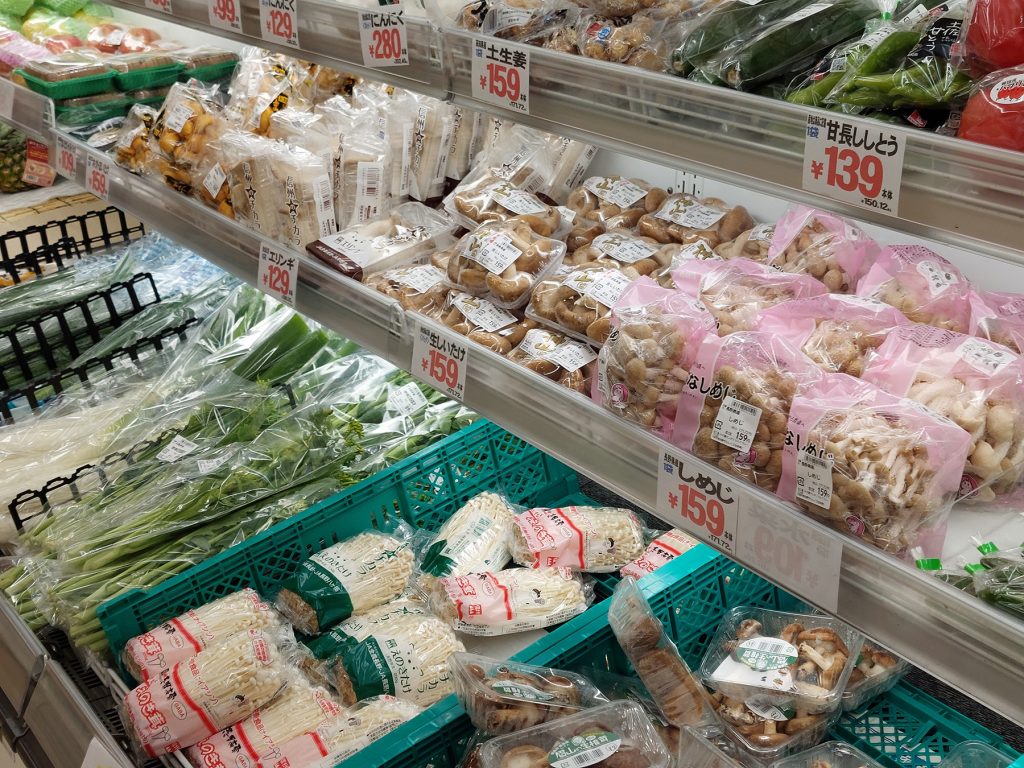
TAIPEI, TAIWAN (MERXWIRE) – November 25 is observed annually as World Vegetarian Day, which promotes reducing meat consumption and incorporating more plant-based foods into everyday diets. Although the occasion is still some time away, Ms. Lin, a 30-year-old Taiwanese resident, has already invited friends to join her for a plant-based hot pot gathering at home after work that day. She plans to prepare vegetables, mushrooms, tofu and other ingredients for a meat-free dinner with friends. From individual food choices to social gatherings, plant-based eating is gradually becoming a more common option in everyday diets, reflecting growing interest in reducing meat consumption.
In recent years, growing attention to animal welfare, environmental sustainability and dietary diversity has contributed to the expansion of the global plant-based food and vegan product markets. Alternatives such as plant-based meat and milk have become increasingly available. Among these trends, the flexitarian diet, which does not require people to give up meat entirely but encourages them to reduce meat consumption and increase the proportion of plant-based foods, is also gaining popularity among consumers.
The trend is also extending beyond food choices into everyday consumer markets, including plant-based products sold in supermarkets, vegetarian and vegan dishes at restaurants, and daily-use products made without animal-derived ingredients. This is prompting adjustments across the food industry in product development, supply chains and brand strategies. Meanwhile, climate change, land degradation and growing pressure on water resources have brought greater attention to the relationship between dietary choices and environmental sustainability.
Global Vegetarian Population: Differences Across Countries
Although the global vegetarian population continues to grow, the trend varies across regions. Factors such as religious beliefs, cultural traditions, dietary habits, and environmental awareness all influence the public’s acceptance of vegetarian diets. According to global vegetarian population data compiled by World of Statistics in 2023, India, Mexico, and Taiwan rank among the regions with the highest proportions of vegetarians, reflecting the distinct cultural and dietary backgrounds behind the development of plant-based eating in different parts of the world.
Ten Countries and Regions with the Highest Proportions of Vegetarians
| Country / Region | Percentage of Vegetarian Population |
|---|---|
| India | 20%–39% |
| Mexico | 19% |
| Taiwan | 13%–14% |
| Israel | 13% |
| Australia | 12.1% |
| Argentina | 12% |
| Finland | 12% |
| Sweden | 12% |
| Austria | 11% |
| Denmark | 10% |
In the rankings, India takes the top position, with an estimated vegetarian population ranging from 20% to 39%, followed by Mexico at 19% and Taiwan at 13% to 14%. Israel, Australia, Argentina, Finland, Sweden, Austria, and Denmark follow. India’s relatively wide data range is largely attributed to differences in how individual surveys define vegetarianism and collect statistics. Nevertheless, the figures indicate that India remains one of the countries with a particularly high proportion of vegetarians.
The data suggest that vegetarianism is no longer limited to specific religious or cultural communities but is increasingly becoming a dietary choice across different regions. India’s high vegetarian population is closely associated with its religious beliefs and food traditions. Meanwhile, countries such as Mexico and Argentina in Latin America, as well as Australia and Nordic countries, reflect how health awareness, animal welfare, and environmental sustainability are influencing consumers’ dietary choices.
It is worth noting that countries with higher proportions of vegetarians do not necessarily share the same dietary practices. Some consumers follow vegetarian diets over the long term, while others adopt more flexible eating habits by reducing meat consumption and increasing their intake of plant-based foods. This distinction also highlights that growth in the plant-based food market is driven not only by consumers who strictly follow vegan or lacto-ovo vegetarian diets, but also by those who are willing to partially replace animal-based foods in their everyday lives.
Global Land Use: Livestock’s Resource Consumption
The extensive use of land resources by livestock farming is one of the key issues drawing attention from many people who choose plant-based diets. According to Our World in Data, approximately half of the world’s habitable land is used for agriculture, with around 77% of agricultural land devoted to raising livestock such as cattle, sheep, and goats, as well as related activities, including grazing and growing animal feed. This highlights the substantial amount of land required by livestock production.
Global Habitable Land Use by Category
| Land Use Category | Percentage of Habitable Land |
|---|---|
| Agricultural and Livestock-Related Land | Approximately 50% or more |
| Forests | Approximately 37% |
| Shrubland and Grassland | Approximately 11% |
| Freshwater | Approximately 1% |
| Urban and Built-Up Areas | Approximately 1% |
These figures show that agriculture is the world’s largest land-use category, with livestock farming accounting for a substantial share of agricultural land. The land required for livestock production includes not only grazing areas but also farmland used to grow feed crops such as corn and soybeans. As a result, the land footprint of meat and dairy products is often significantly greater than that of crops grown directly for human consumption.
Our World in Data also notes that a global shift toward entirely plant-based diets could substantially reduce the amount of land needed for agriculture. However, this is a modeled scenario and does not mean that every region should or can immediately adopt the same approach. Countries differ in climate, soil conditions, water resources, grazing land availability, and food security needs. Any dietary transition must therefore take local agriculture, nutritional requirements, economic livelihoods, and cultural contexts into account.
Land degradation is another challenge facing agriculture worldwide. When agricultural expansion, overgrazing, soil deterioration, and deforestation occur simultaneously, land productivity and carbon sequestration capacity may decline, further affecting food security and the ability of natural ecosystems to regulate the climate. Therefore, the growing interest in plant-based diets represents more than a shift in food preferences. It also reflects a broader reconsideration of global land use, agricultural production, and the allocation of natural resources.
Livestock’s Environmental Impact: Methane Emissions
In addition to land requirements, greenhouse gas emissions from livestock farming are another major concern in discussions about climate change. Ruminant animals such as cattle and sheep produce methane through enteric fermentation during digestion, releasing most of it through belching. Although atmospheric methane concentrations are lower than those of carbon dioxide, methane has a stronger short-term warming effect, making it a key target for emissions reduction in the agricultural sector.
Methane Emissions from Cattle in Livestock Farming
| Item | Data |
|---|---|
| Daily Methane Emissions from a 500 kg Beef Cattle | Approximately 230 g |
| Daily Methane Emissions from a 550 kg Grazing Dairy Cow | Approximately 320–330 g |
| Maximum Daily Methane Emissions from a Mature Dairy Cow | Approximately 500 liters |
| Share of Cattle in Livestock Sector Greenhouse Gas Emissions | Approximately 62% |
According to the U.S. Environmental Protection Agency (EPA), methane has approximately 28 times the global warming potential of carbon dioxide over a 100-year period. Over a 20-year period, its warming effect is approximately 80 times greater. This means that although methane remains in the atmosphere for a shorter period than carbon dioxide, its impact on short-term climate change remains significant.
Methane emissions from cattle vary depending on body weight, breed, feed composition, and farming methods. According to Ireland’s Agriculture and Food Development Authority (Teagasc), a 500-kilogram beef animal fed a high-concentrate diet produces approximately 230 grams of methane per day, while a 550-kilogram dairy cow raised on pasture emits around 320 to 330 grams daily. Other data indicate that a fully mature dairy cow can produce up to approximately 500 liters of methane per day, highlighting the importance of livestock farming as a source of methane emissions.
In addition to methane, livestock farming also generates other greenhouse gases, including carbon dioxide and nitrous oxide. Feed cultivation, land-use changes, manure management, and transportation all contribute to the carbon footprint of food production. Therefore, the climate impact of livestock farming does not come solely from animal digestion but involves the entire supply chain, from feed production to product transportation.
In response to these environmental costs, the Food and Agriculture Organization of the United Nations (FAO) and various studies have indicated that adjusting dietary patterns, reducing the frequency of consuming high-emission foods, and increasing the intake of plant-based foods such as legumes, whole grains, vegetables, and fruits can help ease the environmental pressure associated with food systems. This does not mean that everyone must completely give up meat. Rather, adjusting dietary proportions can help strike a balance between nutritional needs, food culture, and environmental sustainability.
The Cost of a Beef Burger: Land and Water Use
When grains are used as livestock feed rather than being consumed directly by humans, meat production involves additional food conversion processes and resource inputs. According to CSR@CommonWealth Magazine, producing a 113-gram beef burger requires approximately seven times its weight in grain and 1,695 liters of water. This illustrates how meat production consumes substantially more raw materials and water resources than the weight of the final food product itself.
What Is the Resource Footprint of a Beef Hamburger?
| Resource Category | Comparison Item | Data |
|---|---|---|
| Feed Resources | Grain Consumption | Approximately 7 times the weight of the hamburger |
| Water Resources | Water Consumption | Approximately 1,695 liters |
| Land Resources | Compared with Pork or Chicken | Approximately 28 times |
| Land Resources | Compared with Rice, Wheat, or Potatoes | Approximately 160 times |
| Environmental Emissions | Greenhouse Gas Emissions | Approximately 11 times those of comparison foods |
Land use is another major resource cost associated with beef production. According to relevant data, beef production requires approximately 28 times more land than pork or chicken production, and 160 times more than the production of rice, wheat, or potatoes. This land includes both grazing areas for livestock and farmland used to grow animal feed, reflecting the substantial land requirements of livestock production.
Beyond food, water, and land resources, meat production is also associated with higher greenhouse gas emissions. In the case of beef hamburgers, emissions generated during production are approximately 11 times those of the comparison foods. From growing animal feed and raising livestock to food processing, each stage requires energy and other production resources. As a result, the environmental footprint of meat products extends beyond the final product to encompass the entire supply chain.
As demand for food, water, and land resources continues to grow, the food industry is increasingly expanding its use of plant-based ingredients to reduce the resources required for livestock production. Balancing food supply, resource efficiency, and consumer demand has therefore become an important issue for the industry’s development.
Global Plant-Based Market: Growing Business Opportunities
As the number of people adopting plant-based diets continues to grow, the market value of related products is also increasing. According to forecasts by market research firm Mordor Intelligence, the global vegan market is expected to grow from US$1.15 trillion in 2025 to US$1.28 trillion in 2026, reaching US$2.15 trillion by 2031. The market is projected to register a compound annual growth rate (CAGR) of 10.97% between 2026 and 2031.
Market expansion is also encouraging food manufacturers to invest in product development. Areas of focus include alternative proteins, fermentation technologies, and improvements in product texture and nutritional composition. In addition, vegan labeling, third-party certifications, and ingredient transparency are receiving greater attention, making it easier for consumers to identify products that meet their dietary requirements.
Mordor Intelligence estimates that the global plant-based meat market will grow from US$10.87 billion in 2025 to US$24.56 billion by 2031, representing a CAGR of 14.55%. Meanwhile, the plant-based milk market is projected to increase from US$21 billion in 2025 to US$29.78 billion by 2030, with a CAGR of 7.24%. These forecasts indicate continued expansion in both major plant-based food categories.
Overall, the plant-based food market has expanded beyond traditional vegetarian demand to encompass a wider range of food consumption patterns, with alternative products such as plant-based meat and milk continuing to gain market presence. As consumer dietary preferences evolve and food technologies advance, plant-based foods are expected to further expand their market reach and become an increasingly important part of the global food industry’s development.
More Vegetarian Restaurants: Expanding Dining Options
The growing popularity of plant-based eating is also reflected in the increasing number of vegetarian restaurants. According to data updated by HappyCow, a global platform for vegetarian restaurants and plant-based dining, in November 2026, its database contained more than 270,000 vegetarian and vegetarian-friendly businesses across approximately 180 countries. These included more than 10,000 fully vegan restaurants, along with restaurants, cafes, bakeries, and hotels offering vegetarian or plant-based menu options.
In terms of regional distribution, as of November 2026, Asia had approximately 3,502 fully vegan restaurants, followed by Europe with around 2,679, North America with approximately 2,110, and South America with around 735. Fully vegan restaurants are now widely distributed across Asia, Europe, North America, and South America, indicating that the availability of plant-based dining options is gradually expanding into regions with different food cultures and consumer preferences.
As vegetarian restaurants and plant-based dining options become more widely available, consumers are no longer limited to preparing vegetarian meals at home. They can also choose plant-based dishes when dining out, attending business meals, or gathering with friends and family. For food service operators, offering plant-based menus and a wider range of ingredients can also help attract customers with different dietary preferences, allowing plant-based dining to become increasingly integrated into the everyday food market.
Alternative Proteins: Innovation in Plant-Based Foods
As consumers place greater emphasis on taste, nutrition, and ingredient transparency, plant-based foods are expanding beyond meat and milk alternatives to include a wider range of alternative protein products. Common ingredients include soybeans, peas, wheat, rice, oats, nuts, and seeds. Food manufacturers are also using different ingredient combinations and fermentation technologies to improve product flavor, texture, and nutritional composition.
Common Sources of Plant-Based Protein
| Category | Common Sources | Common Applications |
|---|---|---|
| Legumes / Pulses | Soybeans, peas, chickpeas, fava beans | Plant-based meat, plant-based milk, tofu, soy milk |
| Grains | Wheat, rice, oats, corn, barley, quinoa | Wheat gluten, plant-based meat, plant-based milk, protein powder |
| Oilseeds / Seeds | Sunflower seeds, pumpkin seeds, sesame seeds, flaxseeds | Protein powder, plant-based milk, baked goods, snacks |
| Nuts | Almonds, cashews, walnuts | Plant-based milk, plant-based cheese, desserts |
| Vegetables / Algae | Mushrooms, spirulina, chlorella, seaweed | Plant-based meat, plant-based seafood, nutritional supplements |
Investment activity also reflects the development trends in related technologies. According to the Good Food Institute’s (GFI) 2024 report, companies in the global alternative protein sector received approximately US$1.1 billion in investment in 2024. Of this amount, fermentation-related companies attracted US$651 million, plant-based product companies received US$309 million, and cultivated meat and seafood companies secured US$139 million.
Fermentation technology is considered an important approach to improving the taste and nutritional qualities of plant-based products. Through microbial fermentation, manufacturers can modify the flavor, texture, and functionality of proteins to develop alternatives that more closely resemble the taste and texture of dairy products or meat. These technologies may also help reduce reliance on traditional animal-derived ingredients.
Beyond fermentation technologies, algae, microbial proteins, and whole-food plant-based products are also emerging as new alternatives in the protein sector. In addition to providing protein, these ingredients may offer different nutritional properties and flavor profiles, allowing plant-based foods to move beyond conventional ingredients such as soy, pea, and wheat proteins.
However, product innovation still faces challenges in terms of consumer acceptance. GFI notes that some plant-based products have yet to meet consumer expectations regarding taste and price. Industry analysis also indicates that concerns about ultra-processed ingredients are prompting brands to simplify ingredient lists and place greater emphasis on natural ingredients and nutritional value.
Therefore, the development of alternative proteins is not simply about introducing more products that look or taste like meat and dairy. Manufacturers must also consider flavor, nutrition, affordability, and ingredient transparency. Only when technological innovations can be translated into products that consumers are willing to purchase regularly will plant-based foods have greater opportunities to expand their market presence.
Food Industry Transformation: Opportunities and Challenges
As the global plant-based food market continues to expand, international food companies are accelerating their product development and market strategies. According to GFI’s 2024 industry report, the combined global retail market for plant-based meat, seafood, milk, yogurt, ice cream, and cheese reached US$28.6 billion, representing a 5% increase from the previous year. This indicates that plant-based foods are gradually evolving from alternative products into an important category within the food industry.
Meanwhile, food companies are beginning to incorporate plant-based ingredients into their existing product portfolios. For example, Kraft Heinz partnered with NotCo to launch plant-based hot dogs and sausages, while The Vegetarian Butcher, a brand under Unilever, introduced plant-based chicken and fish products in selected European markets. In addition, Danone converted a conventional yogurt factory into a facility producing plant-based yogurt, while Lactalis Canada reactivated a former dairy facility to manufacture plant-based milk. These examples show that the food industry’s transition is taking place not only through new product development but also through changes to production facilities and supply chain strategies.
However, further expansion of the plant-based food market still faces challenges related to pricing, taste, and consumer acceptance. As consumers pay greater attention to nutritional value, processed ingredients, and the origins of raw materials, food manufacturers must improve product flavor and quality while increasing production efficiency and controlling costs to remain competitive and meet market demand.
From global food supply to agricultural production, the development of plant-based foods involves more than changes in dietary preferences. It also raises questions about land use, water resources, and the efficiency of food production and distribution. As demographic changes and pressure on natural resources continue to reshape the global landscape, how the food industry adjusts its ingredient sourcing and production models while meeting consumer demand will influence the future of the global food supply system. Whether plant-based foods can evolve from emerging market alternatives into a regular part of everyday diets will also depend on companies’ long-term strategies for product innovation, cost management, and resource efficiency.