Parker Publishers’ Marketing Head Adam Miller says the publishing industry has been solving the wrong problem and his audience first, brand before launch strategy is proving it
Orlando, FL — April 02, 2026 — Ask most book marketers how to sell more books on social media and they will talk about posting frequency, trending audio, and hashtag strategies. Adam Miller, Head of Marketing at Parker Publishers, will stop you before you finish the question.
“Content is the last thing we talk about,” said Miller. “Before we post a single thing, we need to know exactly who this author is talking to, what that reader cares about, what language they use, what keeps them up at night, and what kind of story they are desperate to find. Get that wrong and it does not matter how much you post or how good the book is. You are just adding noise to an already deafening room.”
That philosophy, audience intelligence before content and personal brand before launch, is the dual foundation of Parker Publishers’ marketing model. In a publishing landscape more saturated than at any point in history, it is consistently producing results that generic posting schedules and last minute launch campaigns simply cannot replicate.
The Problem With How Publishers Think About Social Media
The default playbook for most independent publishers goes something like this: finish the book, design the cover, create some social accounts, start posting. Miller calls this approach backwards and costly.
In 2026, the gap between a well marketed book and an invisible one has never been wider, with more books published every year and more authors competing for the same reader attention. Flooding platforms with content without a precise understanding of the target reader does not close that gap. It widens it, because undifferentiated content trains algorithms and audiences to ignore you.
Miller’s approach inverts the entire process. Before an author at Parker Publishers posts anything on any platform, his team conducts a deep audience mapping exercise. Who is the ideal reader? Where do they spend time online? What content format earns their attention? What tone do they respond to? What do they distrust? What are they already searching for that this author’s book can answer?
“We are building a profile of the reader before we build anything for the author,” Miller explained. “Once you genuinely understand the person you are talking to, everything else, the content, the platforms, the tone, the brand identity, becomes a logical consequence of that understanding. Without it, you are guessing. And in this market, guessing is a very expensive habit.”
Knowing Who You Are Talking To Changes Everything
This reader first methodology shapes every platform decision Parker Publishers makes for its authors. A business leader publishing a leadership book and a debut romance novelist are not just writing different books. They are targeting fundamentally different human beings who live in completely different corners of the internet, respond to completely different types of content, and make purchasing decisions in completely different ways.
Miller’s team does not apply a single strategy across both. Instead, each author receives a platform and content plan built specifically around their reader’s psychology and behavior. Authors are seeing measurably better results by forming genuine, genre aligned relationships with creators and nurturing communities that care specifically about the books being discussed. That alignment starts with knowing, in granular detail, who that community actually is before a single piece of content is created.
On TikTok and BookTok, Miller’s team identifies the exact emotional triggers, content formats, and reader conversations already happening in an author’s genre, then builds the author’s presence around those existing conversations. Not around what the author wants to say, but around what the reader is already looking for.
On Reddit and niche Facebook communities, the approach shifts entirely. These are high trust, low tolerance spaces where readers have zero patience for obvious self promotion. Miller’s team positions authors as genuine participants, contributing value, engaging authentically, and letting the audience discover the book organically through the author’s earned credibility within the community.
On LinkedIn and podcasts, the strategy shifts again, establishing nonfiction and business authors as credible, quotable experts whose book is the natural extension of the insight they are already delivering publicly.
On YouTube Shorts and Instagram Reels, the focus moves to visual storytelling, giving readers a window into the author’s world, process, and personality in formats that build familiarity and emotional investment over time.
“Every platform has its own culture, its own language, and its own unwritten rules about what belongs there,” said Miller. “We do not just show up and start broadcasting. We study the room first. We understand what the audience on that specific platform values, what they ignore, and what makes them stop scrolling. Then we build everything around that intelligence.”
Building the Author Brand Before Anyone Knows the Book Exists
Understanding the audience is only half the equation. The second pillar of Miller’s model is equally unconventional. He builds the author’s personal brand months before the manuscript is complete, long before a launch date is set, and long before most publishers have even thought about marketing.
Most authors treat their personal brand as a byproduct of publishing a book. Miller treats it as the prerequisite. In his framework, the author’s brand is not about promoting a title. It is about establishing a distinct identity, voice, and point of view that attracts the right readers organically, so that when the book does launch, it lands in front of an audience that already knows, trusts, and is invested in the person who wrote it.
An author platform builds trust and a direct line of communication with readers. When readers feel they know, like, and trust an author, they are more likely to buy the next book without hesitation, share content, and become genuine advocates for the work. Miller operationalizes this truth systematically, starting the brand building process at the earliest possible stage of the publishing journey.
“Your personal brand as an author is not your book cover and your bio,” said Miller. “It is the answer to a very specific question every reader is unconsciously asking: why should I trust this person enough to spend hours inside their world? We build the answer to that question consistently, across every platform, months before the book ever drops. By launch day, readers are not discovering the author for the first time. They are finally getting what they have been waiting for.”
The pre launch phase is where an author builds their advance reader team, distributes reader copies to book community creators, creates video marketing assets, and primes their audience. Most independent publishers have no structured pre launch brand strategy whatsoever. At Parker Publishers, it is standard practice for every author on its roster.
The most successful authors on social media follow a disciplined ratio. Eighty percent of content builds community and delivers genuine value, while only twenty percent directly promotes the book. That ratio only works when you understand your audience deeply enough to know what value actually means to them, which is the foundational work Miller’s team completes before anything goes live.
“Anyone can open a TikTok account and start posting,” said Miller. “Very few people actually know who they are posting for, what that specific person needs to hear, how they need to hear it, and what it takes to make them feel seen enough to stop scrolling, engage, and come back. Combine that with an author brand built long before launch day, and you are not competing with every other book released that week. You already won that race before it started.”
A Competitive Edge the Rest of the Industry Has Not Caught Onto Yet
The most effective book marketing strategies today combine data driven audience insight with genuine engagement, building not just a product to sell but a personal brand that readers follow across books, genres, and platforms for years. For Miller and the Parker Publishers marketing team, this is not an emerging trend to adapt to. It is the methodology they have been executing from the beginning, across TikTok, Instagram, YouTube Shorts, Facebook Groups, Reddit, LinkedIn, and podcast channels simultaneously, giving Parker Publishers authors a compounding advantage that grows more powerful with every piece of content published and every reader relationship built.
“The publishing industry is still largely trying to sell books the way it did ten years ago,” said Miller. “Announce, promote, hope. We are doing something completely different. We are building authors into brands that readers genuinely connect with. The book is the proof of that brand. That is a fundamentally different game and right now, very few people in this space are playing it.”
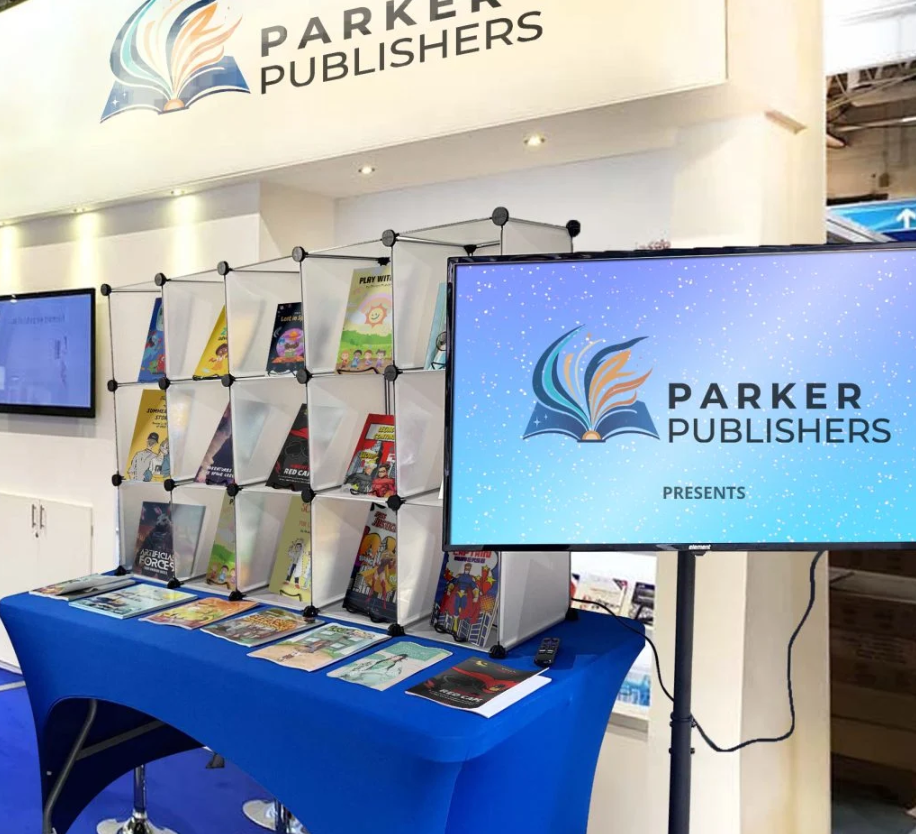
Parker Publishers is a full service publishing partner based in Orlando, Florida, offering ghostwriting, editing, publishing, and marketing services across more than 20 genres, with distribution across Amazon Kindle, Barnes and Noble, Apple Books, and all major retail platforms.
Authors ready to build the right audience and the right brand before their book even launches can get started at ParkerPublishers.com or by calling 1 (407) 214-7040.
Media Contact: Parker Publishers 7345 W Sand Lake RD, STE 210, Office 3266 Orlando, FL 32819 marketing@parkerpublishers.com 1 (407) 214-7040
Media gallery