
SAN DIEGO, CA / ACCESS Newswire / October 28, 2026 / Timmi Stump has spent 30 years in pharmaceutical commercial operations and the past six years working in the peptide space. Her bet is simple: the next chapter of longevity will belong to operators, not just scientists.
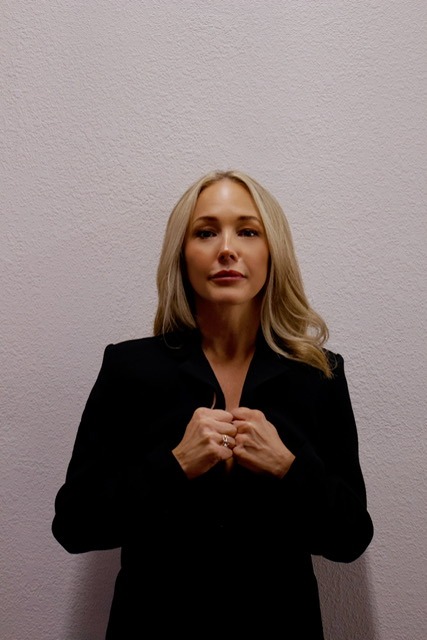
Her career began in pharmaceutical regulatory affairs. From there, she moved through marketing operations, strategy, field experience and commercial leadership. That path eventually took her beyond traditional pharma and into integrative medicine, peptides and longevity.
Over three decades, Stump has built a career around one recurring challenge: taking new ideas in healthcare and figuring out how to make them work in the real world.
Scientific innovation is only the beginning. Someone still has to navigate regulation, understand the market, educate providers, build trust, create the commercial infrastructure and figure out how an innovation can reach the people it was designed to help.
That has become Stump’s specialty.
“My biggest challenge has never been selling innovation,” Stump said. “It has been convincing people to believe in the future before everyone else does.”
She has repeatedly chosen to work in emerging areas of healthcare before they became mainstream. That experience has given her a close view of what separates an exciting scientific development from something capable of reaching patients at scale.
She believes longevity is now approaching that same turning point.
For years, the public image of longevity has been dominated by wealthy early adopters, elite athletes and biohackers willing to spend heavily on experimental approaches to health and performance.
Stump believes the industry’s next chapter has to reach far beyond that group.
One of the biggest barriers is price.
Some of today’s most exclusive longevity programs can cost as much as $250,000 a year. Clinic memberships can run $10,000, with another $5,000 in testing before treatment even begins.
Stump sees those numbers as evidence of both the industry’s potential and its biggest problem. If longevity remains something available primarily to people who can afford five- or six-figure programs, it will remain a luxury rather than become a meaningful part of healthcare.
She believes the next generation of longevity needs to be built around greater access.
Telemedicine could play an important role in making that possible. Stump sees an opportunity to connect people with vetted providers and products without requiring them to enter expensive concierge programs or travel to exclusive clinics.
For her, accessibility is about more than lowering the price. It means building systems that allow new approaches to health and longevity to reach more people while maintaining standards around safety, quality and responsible use.
She is equally direct about another group she believes the longevity movement has overlooked: women in midlife.
Much of the industry’s early image was built around male biohackers, elite performers and people focused on optimization. Stump believes women navigating major changes in health and aging deserve a much larger place in the conversation.
She has been involved in efforts to bring more attention to women’s health and challenge the idea that longevity should primarily be marketed around extreme performance or optimization.
Stump also believes the current peptide boom is only one chapter of a much larger change.
People are beginning to approach aging differently. Instead of waiting for disease or physical decline before taking action, more people are looking at how they can preserve function, recovery, performance and quality of life much earlier.
That shift could fundamentally change what people expect from healthcare.
Stump sees a future where longevity becomes less about chasing the newest treatment and more about personalized and preventative approaches to health. As science continues to move forward, the challenge will be determining which innovations can move beyond early adopters and become useful in everyday healthcare.
That transition will require more than scientists and researchers.
It will require operators who understand regulation, commercialization, provider education, distribution and the realities of bringing something new into a highly regulated industry.
Stump has spent much of her career working in that gap between innovation and adoption.
After 30 years in pharmaceutical commercial operations, she has seen promising ideas succeed and fail for reasons that had little to do with the underlying science. A breakthrough can be scientifically compelling and still struggle if providers don’t understand it, patients can’t access it or there isn’t a responsible system for bringing it to market.
That is why she believes the business side of longevity will become increasingly important as the field matures.
Her goal isn’t simply to participate in the growth of longevity. She wants to help shape how the industry grows and who ultimately benefits from it.
“My aspiration is to help redefine the future of healthcare by accelerating the commercialization of innovations that meaningfully improve quality of life and longevity,” Stump said. “I believe the next decade will transform medicine, and I want to play a meaningful role in ensuring those breakthroughs reach patients safely, ethically, and at scale.”
Media contact:
David Dzierzega
david@gldnpr.com
SOURCE: Timmi Stump
View the original press release on ACCESS Newswire


