
Key Takeaways
- Noninvasive wearables stimulate the vagus nerve through the skin rather than through surgery, and researchers are still building a solid evidence base for how well they work for everyday stress.
- Implanted VNS surgery carries real risks, including infection, nerve damage, and side effects like hoarseness or breathing changes that can last as long as the device is active.
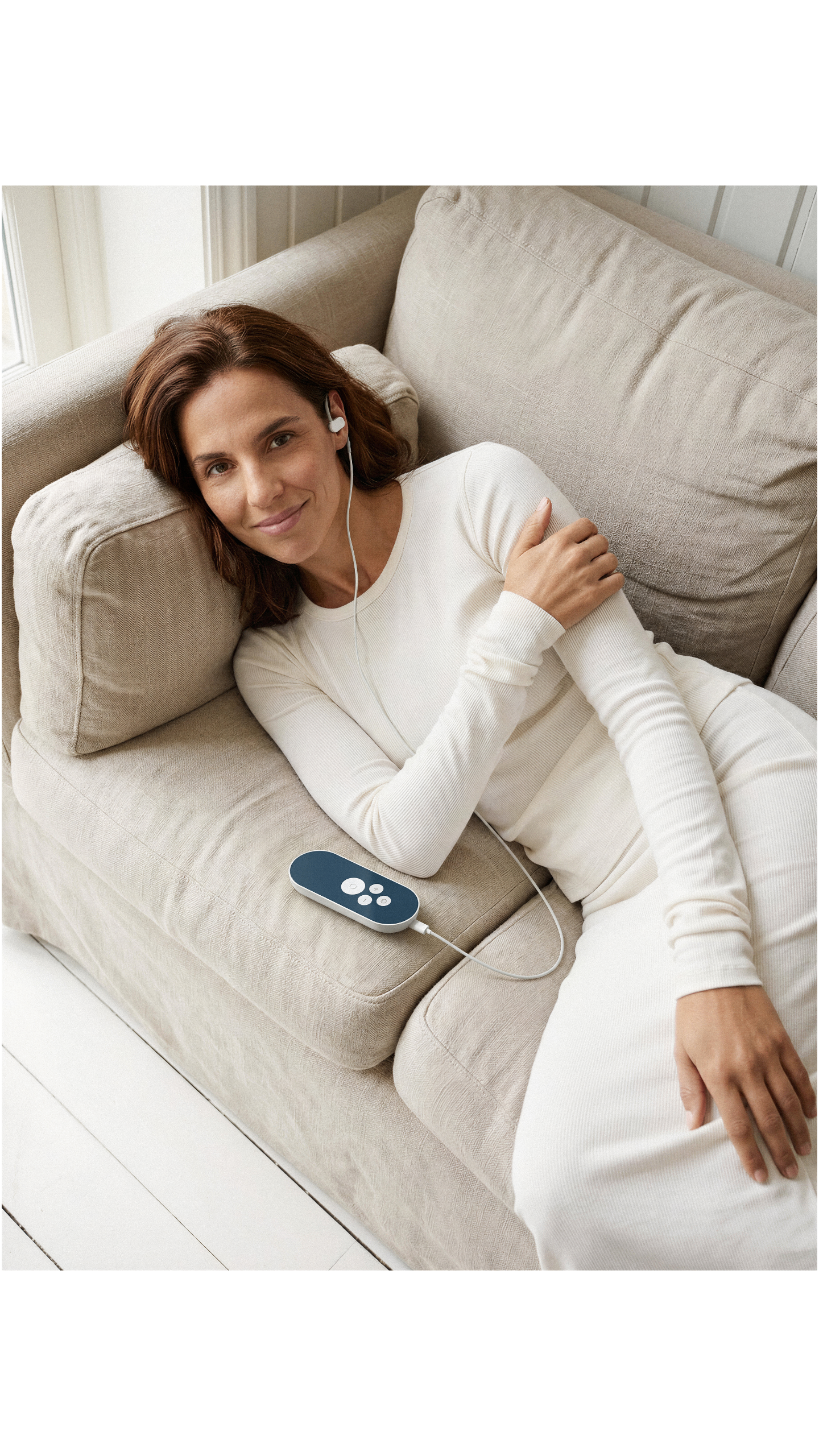
- Nuropod’s earpiece design uses a proprietary AVNT™ waveform at the tragus, reflecting the noninvasive, auricular approach studied in research settings.
- Choosing between device types comes down to matching the evidence and risk level to the actual condition being addressed, a question worth considering before buying anything.
Vagus nerve stimulators get talked about as if they’re all the same gadget with different price tags. They aren’t. Some are surgically implanted medical devices with decades of clinical study behind them for specific, severe conditions. Others, like Nuropod, are wearable products designed for everyday use, with a research base that’s still growing. Understanding the difference matters before spending money or making decisions about stress management.
Not All VNS Devices Are the Same
The term “vagus nerve stimulation” covers a wide range of technology, from devices implanted under the skin during surgery to small wearable units that clip onto the ear or sit against the neck.
The confusion happens because every version targets the same nerve: the vagus nerve, a long nerve that runs from the brainstem through the neck and into the chest and abdomen, carrying signals that help regulate heart rate, digestion, and the body’s stress response. But how a device reaches that nerve, how strong the signal is, and what condition it’s being used for all change the conversation about whether it actually works. Comparing devices fairly means treating wearable, handheld, and neck-worn options as genuinely different product categories, not substitutes for one another.
How Implanted VNS Works
What the Device Does Inside the Body
Implanted vagus nerve stimulation involves a small pulse generator, similar in size to a large coin, placed under the skin near the collarbone during an outpatient surgery that typically takes 45 to 90 minutes. A wire lead runs from that generator up to the neck, where electrodes wrap around the vagus nerve itself. Once activated, the device sends regular electrical pulses directly into the nerve, and those signals travel up to the brainstem, where they get distributed to different brain regions.
What the Evidence Shows, Condition by Condition
Epilepsy: Seizure Reduction, Not a Cure
Implanted VNS is approved as an add-on therapy for focal seizures in adults and children four years and older when medication alone hasn’t controlled seizures. The goal is reducing how often seizures happen, how long they last, or how severe they are. It does not cure epilepsy, and people generally keep taking their anticonvulsant medication alongside the device.
Depression: Usually a Later-Stage Option
For depression, implanted VNS is approved for adults with long-term or recurring major depression that hasn’t responded to four or more antidepressant treatments. Research on how well it works remains unclear, which is why it’s typically considered only after medication and psychotherapy have already been tried without enough success. It is not meant to replace those other treatments.
Surgery Risks and Side Effects to Weigh
Because implanted VNS requires surgery, it carries the same categories of risk as any surgical procedure, plus some specific to where the device sits. Potential surgical risks include infection, pain or inflammation at the incision sites, and damage to the vagus nerve or nearby structures. Rarely, temporary paralysis of one vocal cord has been reported.
Once the device is active, side effects such as hoarseness, coughing, or breathing changes are common. Most people tolerate these symptoms, and they may lessen over time or with reprogramming. Some implanted devices also need a battery replacement after about six years, which means another, smaller procedure down the road. These factors aren’t reasons to dismiss implanted VNS for the serious conditions it’s approved for, but they are real trade-offs worth understanding before surgery, since this is a permanent device placed through an operation rather than something that can be taken off at the end of the day.
Where Noninvasive Wearables Fit
How Noninvasive Devices Reach the Nerve
External or wearable VNS devices work differently from implants. Instead of electrodes wrapped directly around the nerve, these devices send electrical signals through the skin, often at the ear or neck, where the vagus nerve comes close to the surface. Because the signal has to pass through skin and tissue rather than connecting straight to the nerve, these devices can’t match the precise frequencies and voltages used in implanted systems.
How Wearables Differ From Implants in Use
The practical experience of using a wearable looks nothing like living with an implant. There’s no surgery, no incision to heal, and no battery replacement procedure years down the line. A wearable earpiece, for example, clips onto the tragus, the small flap of cartilage in front of the ear canal, which is one of the points where the vagus nerve reaches the surface of the skin. This is the same general noninvasive method used in some hospital and research settings, just packaged for daily personal use rather than clinical administration.
Questions to Ask Before Choosing a Device
Anyone weighing a vagus nerve stimulator, implanted or wearable, benefits from asking a few grounding questions first:
- What specific condition or goal is this meant to address, and does that match what the device has actually been studied for?
- How much evidence exists for this particular device, not just for vagus nerve stimulation in general?
- What would daily use realistically look like, and is that sustainable long-term?
- What are the known side effects for this specific product, and how do they compare with the expected benefit?
- Has a healthcare provider weighed in, particularly if there’s an existing medical condition, pregnancy, or an implanted cardiac device involved?
These questions matter because general vagus nerve research and product-specific research are not the same thing. A finding about VNS broadly doesn’t automatically apply to any single device on the market, and a device’s own research should be the basis for any expectations about what it can do.
Matching the Device to the Evidence
Neither category is automatically the right choice for every person or every goal. The decision comes down to matching the device to the condition, the evidence, and the level of risk someone is willing to take on. For someone investigating stress relief specifically, rather than a diagnosed condition like epilepsy or treatment-resistant depression, a noninvasive option paired with a clear look at the current research can be a reasonable place to start. Anyone ready to look closer at that noninvasive path might consider starting with a wearable vagus nerve stimulation device built around a daily routine rather than a surgical commitment.
Disclaimer: Research referenced in this article was conducted using Parasym’s neuromodulation technology under research conditions. Findings relate to specific study populations and should not be interpreted as guaranteed individual outcomes. Nuropod is classified by the FDA as a non-significant risk device and is not intended to diagnose, treat, cure, or prevent any disease.
Nuropod by Parasym
press@nuropod.com
2108 N Street
Sacramento
California
95816
United States


